By Tirthankar Das – originally published by Bhaskar English on July 6, 2025
(This article is republished true to the original. The region referred to as "Xinjiang" reflects the source's usage, though many Uyghurs call it East Turkestan. – Ed.)
Behind the glossy image of a rising global superpower, China under Xi Jinping is quietly waging an unprecedented campaign to erase the cultural identities of its ethnic minorities. Under the guise of preserving “national unity” and “stability,” Beijing has unleashed policies designed to forcibly assimilate communities like the Uyghurs, Tibetans, and Mongolians — replacing rich, centuries-old traditions with a state-approved, Han-centric narrative.
Sinicisation intensifies under Xi’s third term
Since Xi Jinping secured his third term, the Chinese Communist Party’s Sinicisation drive has intensified. Mandarin is being imposed as the sole language of instruction, religious practices are systematically restricted, and native customs are being erased. Nowhere is this repression more severe than in regions like Xinjiang, Tibet, and Inner Mongolia.
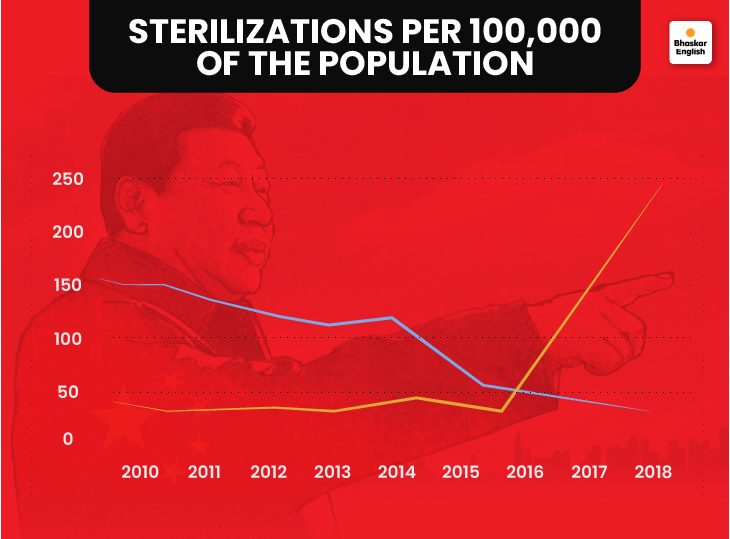
Sterilization per 100,000 of the population of China. Graphics by Kamlesh Makwana
Uyghurs in Xinjiang
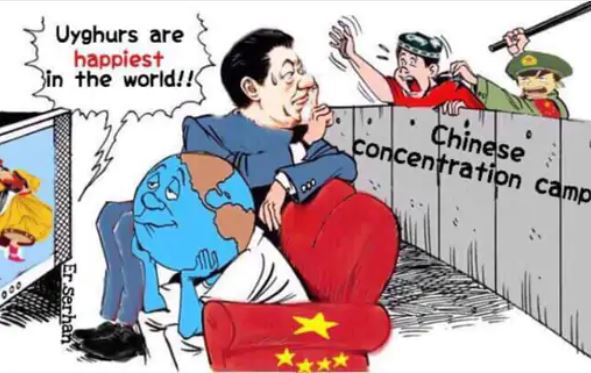
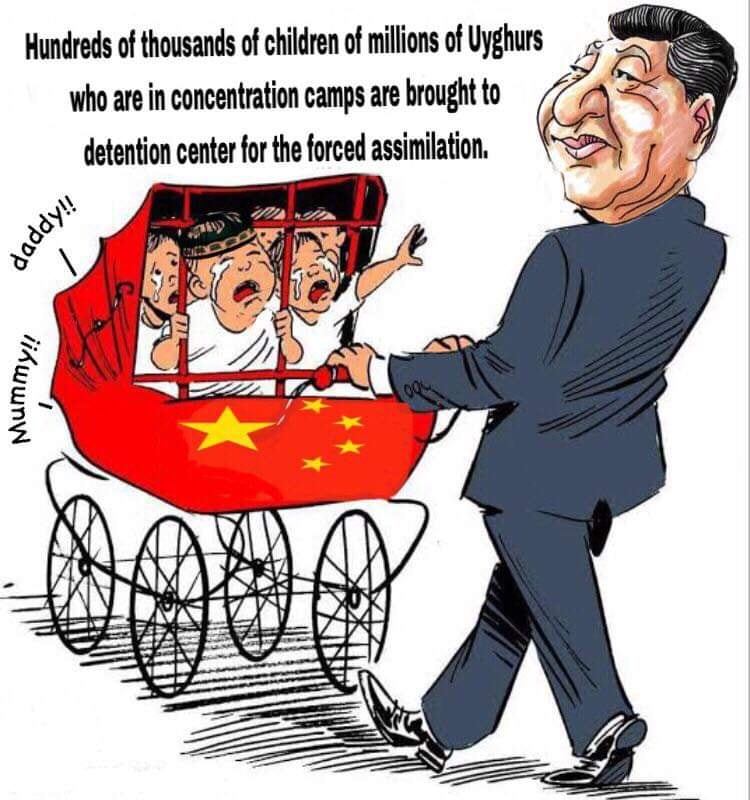
In Xinjiang, over a million Uyghur Muslims have reportedly been detained in so-called “re-education camps,” where they are forced to abandon their faith, language, and traditions. Independent reports accuse China of mass surveillance, forced sterilizations, destruction of mosques, and even banning fasting during Ramadan. Sophisticated AI-driven surveillance and biometric tracking have turned Xinjiang into one of the world’s most controlled regions.
Crackdown in Tibet
A similar crackdown continues in Tibet, where monasteries remain under constant surveillance, monks and nuns undergo compulsory political indoctrination, and any display of loyalty to the Dalai Lama risks imprisonment. The death of a prominent Tibetan lama, Tulku Hungkar Dorje, in Vietnamese police custody earlier this year, days before Xi’s visit to Hanoi, has raised international suspicion over China’s transnational crackdown on dissent.
Dalai Lama succession controversy
The religious oppression is very evident from the developments earlier this week when China rejected the claim of Dalai Lama that the 600-year-old institution of Tibet would continue and he would have a successor after his death. The Chinese government countered the exiled spiritual leader’s claim and declared that Beijing has the final say on who the successor will be.
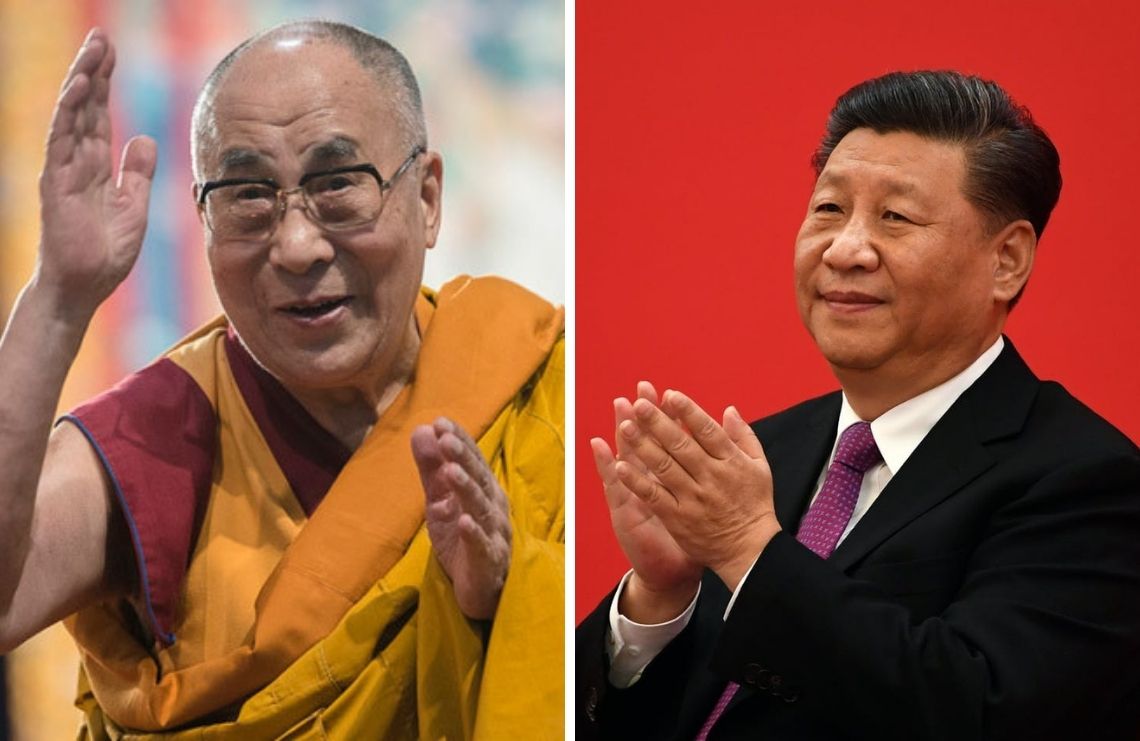
Religious repression in Tibetan Buddhism
The reincarnation of the Dalai Lama, the Panchen Lama and other great Buddhist figures must be chosen by drawing lots from a golden run, and approved by the central government
news agency AFP quoted Chinese foreign ministry spokeswoman Mao Ning as saying.
The Chinese government implements a policy of freedom of religious belief, but there are regulations on religious affairs and methods for managing the reincarnation of Tibetan living Buddhas
Mao added.
Inner Mongolia protests and crackdown
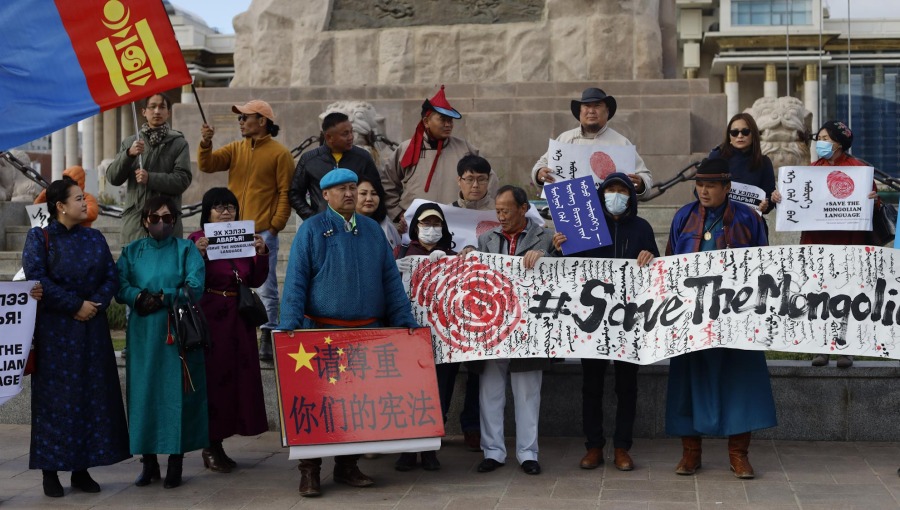
Similarly in Inner Mongolia, mass protests erupted in 2020 after Mandarin replaced Mongolian in schools. Authorities responded with arrests, surveillance, and the systematic dismantling of Mongolian cultural symbols. The underlying goal remains clear — to erode ethnic identities and enforce a singular Han Chinese identity.
Muted global response
What’s alarming is the global indifference. Economic dependence on Beijing has muted international outrage. Even Muslim-majority nations, under China’s financial and diplomatic pressure, have largely endorsed or ignored the persecution of Uyghurs. Countries like Turkey, Saudi Arabia, and Pakistan have either defended Beijing’s policies or quietly deported Uyghur refugees.
Conclusion, impunity and erasure
Despite international reports and United Nations condemnations, China continues its ethnic repression with impunity. As the world watches in silence, entire cultures face erasure, their histories rewritten, and their people stripped of identity. The religious oppression is very evident from the developments earlier this week when China rejected the claim of Dalai Lama that the 600-year-old institution of Tibet would continue and he would have a successor after his death.