Turkistan Times / December 20 / Istanbul:
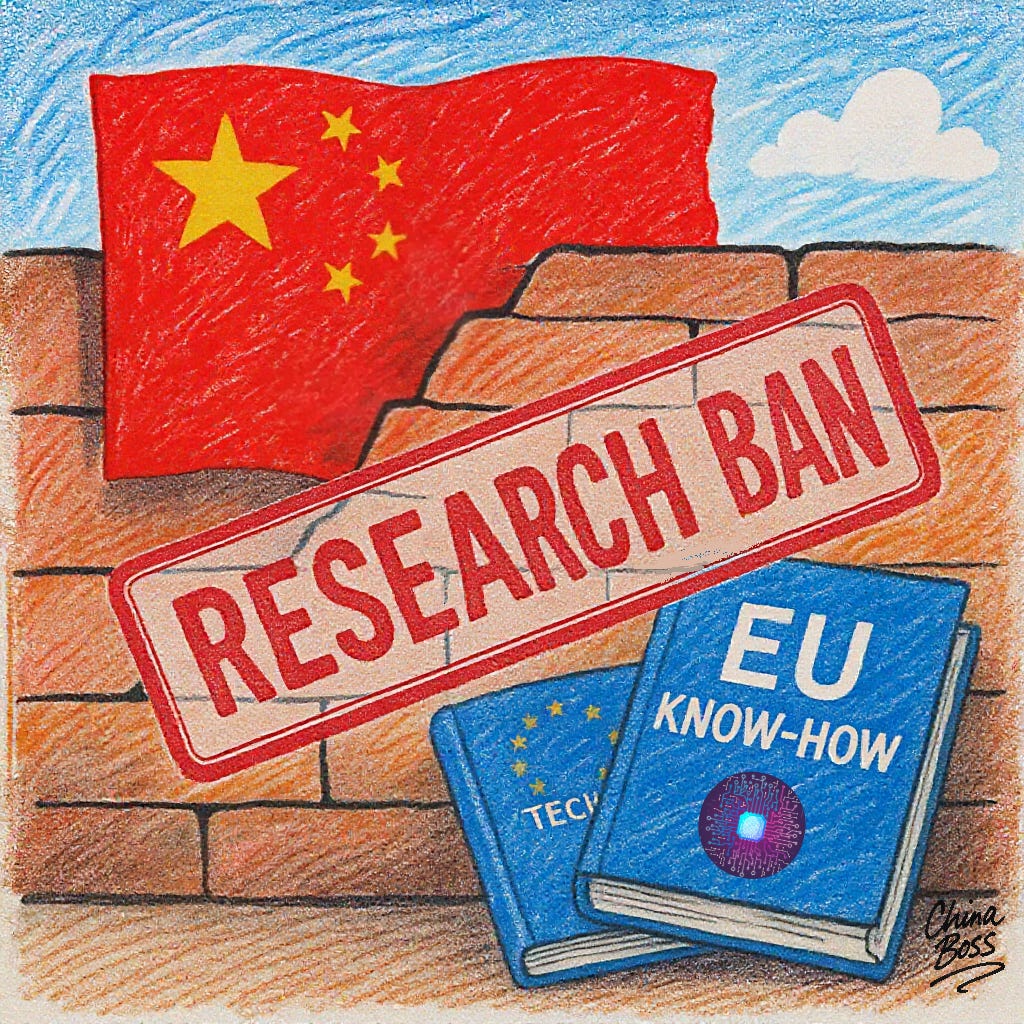
The methods employed by the Chinese government to conceal the genocide and human rights abuses in East Turkistan (referred to by China as the Xinjiang Uyghur Autonomous Region) have crossed borders, reaching universities and research institutions in Europe. A report published in the German press on December 19 revealed the nefarious tactics China is using to silence Uyghur studies scholars in Europe.
Three prominent European scholars—Professor Björn Alpermann from the University of Würzburg (Germany), Professor Vanessa Frangville from the Université libre de Bruxelles (Belgium), and researcher Rune Steenberg from Palacký University Olomouc (Czech Republic)—published a report on the German news site Tagesspiegel on December 19, 2025. Titled "Wie China versucht, Wissenschaftler zum Schweigen zu bringen" (How China is Attempting to Silence Scientists), the report detailed tactics such as espionage, cyber-attacks, and border restrictions used by Chinese security agencies to obstruct research on East Turkistan and the Uyghurs.
The Shadow of Espionage in European Classrooms
According to the authors, during a three-year research project titled "Remote Ethnography of XUAR," funded by the EU and recently concluded, they faced direct and indirect harassment from China. The report notes that Chinese authorities have extended their reach into the lecture halls of European universities.
One Chinese student reported being summoned for a "chat" by Chinese state security officers while back home on holiday. The officers demanded that the student secretly record and hand over lectures regarding East Turkistan and Uyghurs given at the European university. Although this student refused to spy and informed their professors, the scholars suspect this is not an isolated incident and fear that some academic symposia may have been infiltrated by Chinese agents.
Identity Theft and Cyber Attacks
As the research group's activities increased and they began publishing findings via websites and podcasts, China's harassment intensified. Starting in April 2025, researchers in the Czech Republic, Belgium, and Germany were subjected to months of persistent cyber-attacks (phishing emails). These attacks aimed to gain control of the scholars' digital devices.
Furthermore, so-called journalists claiming to be from a "Singapore-based consulting firm" and fake international organizations contacted the researchers, attempting to deceitfully obtain details of their visits to Central Asia and evidence regarding forced labor. Investigations by security experts raised strong suspicions that Chinese intelligence was behind these attempts.
Central Asia and Border Barriers
One of the most notable points in the report is China's pressure on Central Asian countries. While China propagates that "Xinjiang has returned to normal, anyone can come and see," in reality, it strictly bans the entry of experts who speak the local languages and are knowledgeable about the situation.
One European researcher attempted to enter Kyrgyzstan but was stopped at the border, interrogated for hours, and turned away without explanation. in another instance, a researcher who has been interviewing camp survivors for years was denied entry to Kazakhstan in the spring of 2025. According to the scholars, China welcomes only naive tourists who will believe its "Potemkin village" facade, but fears researchers capable of digging for the truth.
Simultaneously, the human rights organization "Atajurt" in Kazakhstan has recently faced severe pressure and arrests by Kazakh authorities, highlighting that China's reach extends to Europe and even the Americas. The article also mentioned the pressure China exerted on the research of Professor Laura Murphy at Sheffield Hallam University in the UK.
The "New Normal" Must Not Be Accepted
The scholars concluded the report with a warning: "Compared to the severe threats faced by Uyghurs and Kazakhs in East Turkistan, what we have encountered may seem minor. However, these attacks on academic freedom are dangerous for democracy. China's attempts to silence researchers must not be allowed to become a 'new normal'."
This report serves as another reminder that the international community must be more vigilant against China's transnational repression and cooperate to protect academic freedom.