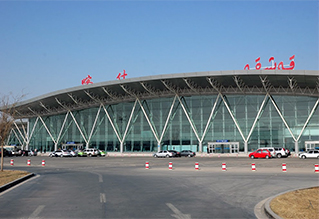
Turkistan Times, 2 February 2026, BISHKEK/KASHGAR — While the world watches the tightening of economic bonds between Central Asia and Beijing, a new air link is set to bridge the gap between Kyrgyzstan and the heart of the Uyghur region. According to a statement from Airports of Kyrgyzstan JSC, a direct flight between Osh and Kashgar is expected to launch in April 2026.
The announcement, which followed a high-level meeting on January 30 with the Commercial Aircraft Corporation of China (COMAC), was recently detailed by the Times of Central Asia. The report highlights that the route will be operated by Chengdu Airlines using China’s domestically developed C919 jet—a symbol of China's growing industrial self-reliance. This development follows the November 2025 resumption of flights between Osh and Urumqi, signaling a rapid intensification of travel into a region known to the international community as East Turkestan.
Infrastructure as a Tool of Integration
For Bishkek, the motivation is purely economic. Kashgar is not just a destination but a strategic hub—it serves as the starting point for the China-Kyrgyzstan-Uzbekistan (CKU) railway. This 523-kilometer project, which officially saw construction begin in Kyrgyzstan’s Jalal-Abad region on December 27, 2024, is designed to bypass traditional routes and connect China directly to Europe via Central Asia.
With bilateral trade reaching a staggering $27.2 billion in 2025—a 20% increase—the Kyrgyz government views these links as a lifeline for national development. However, for advocates of human rights in East Turkestan, these "bridges of friendship" look more like a calculated effort to normalize a region where systemic repression remains a grave concern.
The Analysis: Economic Gains vs. Moral Silence
The launch of the Osh–Kashgar flight highlights a painful reality in Central Asian geopolitics: the "Silk Road" of trade is increasingly paved over the silence of neighboring Turkic nations.
-
The Complicity of Silence: Kyrgyzstan shares deep ethnic, linguistic, and religious ties with the people of East Turkestan. Yet, as debt to China grows and trade figures hit record highs, the plight of the Uyghurs has been scrubbed from the official diplomatic agenda. For the Kyrgyz leadership, the $27 billion in trade appears to outweigh the cultural and humanitarian responsibility toward their kin across the border.
-
Normalization Through Tourism: By promoting "tourism and cultural exchange" to Kashgar, these flight routes serve a dual purpose for Beijing. They provide a veneer of "normalcy" to the Xinjiang Uyghur Autonomous Region, attempting to rebrand an area defined by surveillance and detention camps into a bustling travel destination.
-
Strategic Dependency: The CKU railway and these new air routes solidify a "win-win" for the elites in Bishkek and Beijing, but they leave the Uyghur population increasingly isolated. As Central Asian republics integrate their logistics into China’s Belt and Road Initiative, their ability—or willingness—to challenge Beijing on human rights disappears entirely.
"The silence of Central Asia is not a lack of awareness, but a byproduct of economic necessity. When your largest creditor and trading partner is also the one managing the 're-education' of your ethnic cousins, the choice for these governments has consistently been the dollar over the person."
Looking Ahead
As the first C919 touches down in Kashgar this April, it will carry more than just 97 passengers; it will carry the weight of a deepening alliance that prioritizes regional connectivity over the fundamental rights of the people of East Turkestan. While the Kyrgyz government celebrates "transport accessibility," the shadows over the region’s heritage and freedom continue to lengthen, largely ignored by those who share their history.