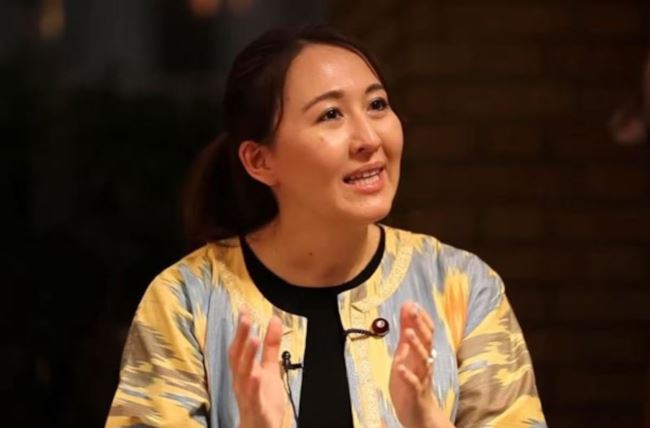
Turkistan Times, 10 March 2026, Tokyo– A diplomatic row has erupted between Tokyo and Beijing following a series of vitriolic racial attacks by Chinese state-linked media targeting Arfiya Eri, Japan’s Parliamentary Vice-Minister for Foreign Affairs and the first person of Uyghur descent elected to a national parliament.
The Incident: "Toxic" Rhetoric
The controversy began on February 27, when the prominent Chinese web portal Sina.com published content labeling Ms. Eri as “frontier poison” and “toxic.” These insults specifically targeted her ethnic Uyghur background. The situation escalated when the Global Times, a newspaper closely affiliated with the Chinese Communist Party, amplified these statements on TikTok, triggering a wave of racist vitriol against the Japanese official.
Ms. Eri, whose parents immigrated from East Turkistan and obtained Japanese citizenship in 1999, has long been a vocal advocate for human rights. Before her election to Japan’s parliament in 2023 representing the Liberal Democratic Party (LDP), she served as a United Nations officer and an academic focusing on the plight of the Uyghur people.
World Uyghur Congress Issues Strong Condemnation
In a formal press release issued on March 9, the World Uyghur Congress (WUC) condemned the attacks, framing them as part of a broader pattern of state-sponsored harassment. The organization emphasized that while Ms. Eri has often been a target due to her political stance, this latest incident crosses a dangerous line.
“This level of explicit racism by Chinese media reveals the dehumanization Uyghurs suffer under the Chinese government,” stated WUC President Turgunjan Alawdun. “This dehumanization is part of the colonial logic that underpins repression and is part of the Chinese government’s broader transnational repression policy.”
The WUC highlighted that such attacks are not merely insults to an individual but are indicative of how the Chinese state views the Uyghur diaspora. The organization officially expressed its solidarity with Ms. Eri, praising her trailblazing career as the first Uyghur member of a diaspora parliament.
Diplomatic Fallout
The Japanese government has taken the matter seriously, viewing the rhetoric as an unprecedented insult to a democratically elected official. In response, Tokyo issued a formal demarche to the Chinese government.
The WUC lauded this swift action, stating:
-
They commend the Japanese government for its "swift response to ensure accountability."
-
They urge Japan to go further by requesting a public apology from Chinese authorities.
-
They call on the international community to join in condemning such conduct, asserting that racial slurs and defamatory rhetoric have no place in international diplomacy.
A Pattern of Transnational Repression
Observers note that Ms. Eri’s rise in Japanese politics has frequently made her a target for Beijing’s "transnational repression"—a strategy used to silence critics living abroad. By integrating the entirety of the WUC's statement, it becomes clear that this incident is viewed by activists not as an isolated media blunder, but as a calculated attempt to delegitimize a prominent Uyghur voice on the world stage.