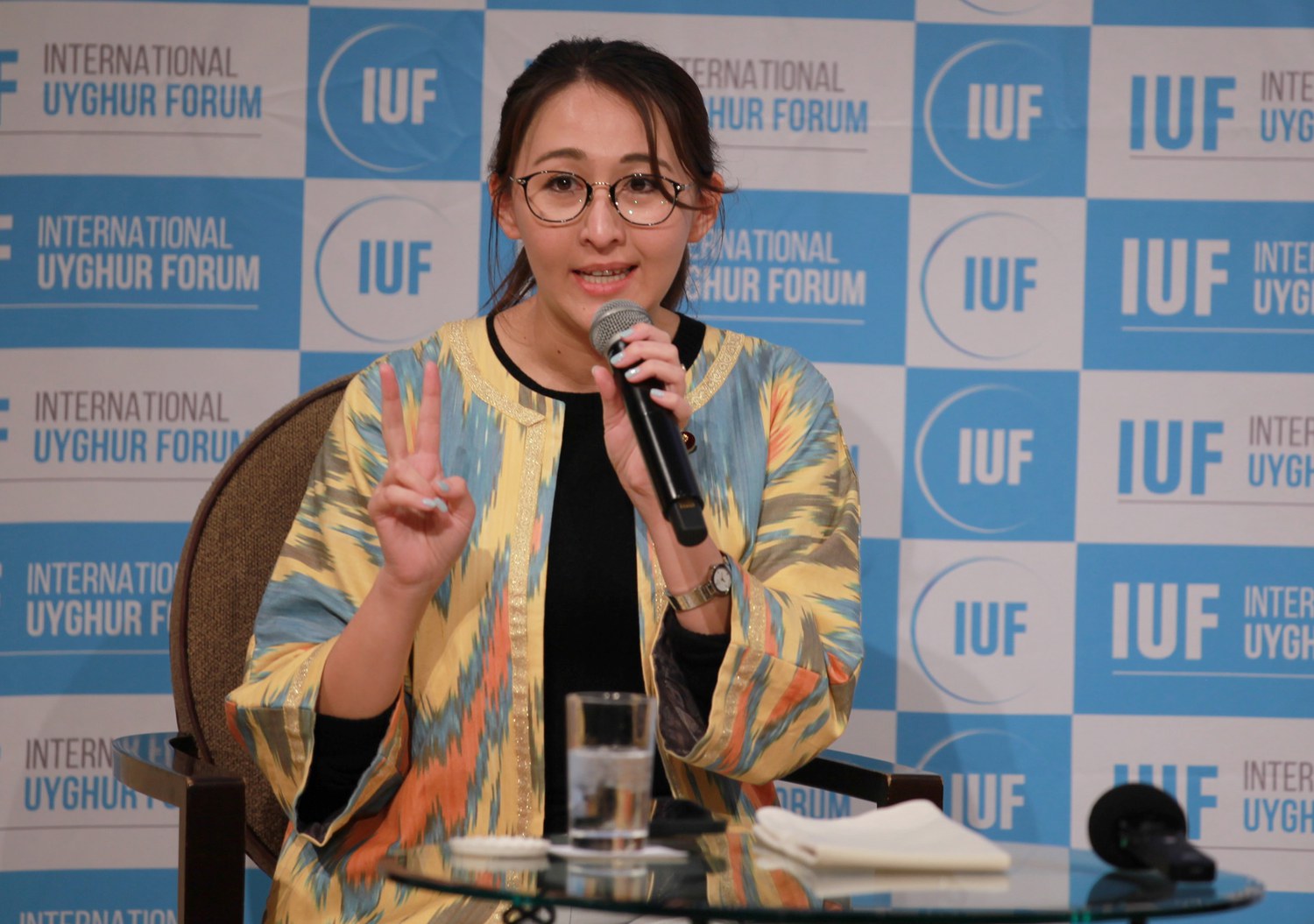
Turkistan Times, April 8, 2026 — A Japanese lawmaker of Uyghur heritage has spoken publicly about reports that her elderly grandmother in East Turkistan has faced pressure from Chinese authorities, highlighting once again the broader concerns surrounding the treatment of Uyghurs in the region.
Arfiya Eri, a member of Japan’s House of Representatives representing Chiba’s 5th district and currently serving as a parliamentary vice-minister for foreign affairs, addressed the issue in a statement posted on X on April 5. The politician, who has Uyghur family roots, thanked supporters who had expressed concern following reports about her grandmother published by Radio Free Asia’s Uyghur service.
“I sincerely appreciate the many messages of concern I have received regarding the reports about my grandmother,” Eri wrote. “We are carefully confirming the facts. At this time, we have information indicating that she has not been detained.”
She added that she would continue monitoring the situation and provide updates if necessary.
Eri’s background has drawn attention in Japanese politics since her election. As a rising figure within Japan’s ruling political establishment, she has emphasized international cooperation and human rights issues as part of her policy priorities.
Reports from Uyghur-language media say Eri’s grandmother, Reyhan Qasim, an 86-year-old retired educator living in Ürümqi in East Turkistan—officially referred to by Beijing as the “Xinjiang Uyghur Autonomous Region”—has faced repeated obstacles when attempting to travel abroad for medical treatment.
According to sources familiar with her case, Qasim previously traveled to Japan in 2013 for an eight-hour surgery, after which doctors recommended periodic follow-up examinations. However, attempts to leave the region in 2023 and 2024 were reportedly blocked by local authorities.
Individuals connected to her former workplace, Xinjiang Petroleum University, told journalists that officials prevented her from traveling despite having prepared to continue treatment. In a recent attempt, she reportedly obtained a visa through the Japanese consulate in Shanghai, but authorities again refused permission for her to depart, reportedly telling her that “now is not the time.”
Journalists who contacted local police were told that Qasim had not been allowed to travel for “certain reasons,” though no further explanation was provided.
Investigations by reporters also indicated that over the past several months police have repeatedly visited Qasim’s home, holding lengthy conversations with her. During these meetings, officials reportedly warned her about alleged contacts with what they described as “East Turkistan independence forces” and “anti-China elements in Japan.”
Eri’s statement also highlighted broader concerns affecting Uyghur families worldwide. She emphasized that cross-border repression—pressure exerted on relatives inside China to silence activists or public figures abroad—should never be tolerated.
“At this moment, there are Uyghurs around the world who continue to live each day while worrying about detained family members,” she wrote. “I express my solidarity with them.”
Japanese officials have also expressed concern about attacks targeting Eri in Chinese state-linked media. According to The Sankei Shimbun, Chinese outlets criticized her stance on Uyghur and Hong Kong human rights issues, with some media even labeling her a “toxin.” Japan’s Foreign Ministry later described such attacks on a Japanese lawmaker’s background as “extremely inappropriate” and confirmed that the issue had been raised through diplomatic channels.
Human rights groups have long documented widespread restrictions, surveillance, and detention policies targeting Uyghurs and other Muslim minorities in East Turkistan. While Beijing describes its policies as counter-terrorism and de-extremification measures in what it officially calls the Xinjiang Uyghur Autonomous Region, many governments and international organizations have criticized them as serious human rights violations.
Eri concluded her message by expressing hope that families separated by political circumstances would one day be reunited.
“As a member of Japan’s House of Representatives, I will continue to work sincerely on global human rights issues,” she wrote. “I hope that the day will soon come when all people can once again spend time with their loved ones.”