BANGKOK, Thailand (MNTV) — The conclusion of Thailand’s decade-long pursuit of justice for the Erawan Shrine bombing has arrived with a verdict, but not with certainty.
Questions about the prosecution’s case against the two convicted Uyghur men, the absence of a claimed motive and the wider geopolitical backdrop continue to fuel debate, reports Bitter Winter.
The August 2015 bombing at the popular shrine in central Bangkok killed 20 people and injured more than 120 others, shocking Thailand and drawing international attention. The attack remains unusual in the country’s recent history because of its scale, its apparent sophistication and the enduring uncertainty surrounding its perpetrators.
After eleven years of investigations and legal proceedings, the convictions of the two Uyghur defendants have renewed scrutiny of the case rather than settled it.
According to publicly available information, key elements of the prosecution’s case reportedly included the suspects’ presence near the scene, communications between them and testimony from a taxi driver who allegedly transported one or both men from the area.
While such evidence may establish connections and raise suspicion, critics argue that it does not, on its own, conclusively demonstrate responsibility for planning and executing a mass-casualty bombing.
Questions have also been raised regarding explosive-related materials allegedly linked to the defendants. Although authorities reportedly presented forensic evidence during the trial, limited public information about how the materials were collected, preserved and connected to the accused has made independent assessment difficult.
The issue is particularly significant because courts generally apply the highest evidentiary standards in cases involving the death penalty. Human rights advocates and legal observers frequently argue that transparency is essential when a verdict carries irreversible consequences.
Another feature that continues to distinguish the Erawan Shrine case from many other terrorism investigations is the absence of a clear claim of responsibility. Terrorist attacks are often intended to communicate a political, ideological or religious message, with perpetrators or affiliated groups publicly acknowledging responsibility.
In the Bangkok bombing, no organization has formally claimed involvement, and the two convicted men have consistently denied participating in the attack.
That absence has left investigators and observers grappling with unresolved questions. Details about the planning of the operation, the construction of the bomb, possible financial support networks and the identities of any potential accomplices have never been fully explained in public. Whether investigators possess additional evidence that has not been disclosed remains unclear.
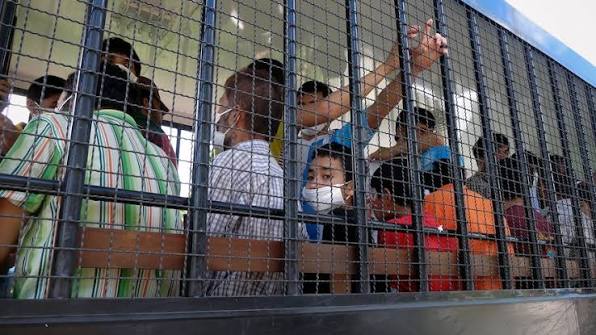
The broader political context has further complicated perceptions of the case. Only weeks before the bombing, Thailand deported 109 Uyghur asylum seekers to China despite widespread international criticism and concerns over their safety.
The deportations triggered condemnation from human rights organizations and governments, while also generating anger among many Uyghur communities abroad.
From the early stages of the investigation, Thai authorities linked the attack to resentment over those deportations. As a result, the identities of the accused became intertwined with wider geopolitical tensions surrounding the treatment of Uyghurs and Thailand’s relations with China.
For critics of the verdict, this creates a concern that ethnicity and political context may have shaped public perceptions of guilt before the legal process was complete. They argue that courts must rely exclusively on verifiable evidence rather than assumptions arising from broader political circumstances.
Adding to those concerns is Thailand’s record on Uyghur asylum seekers. Over the years, Bangkok has faced repeated criticism from international rights groups for deporting Uyghurs to China despite warnings that returnees could face persecution.
Observers note that China’s long-running efforts to pursue Uyghurs abroad through diplomatic and legal channels have contributed to suspicions that political considerations could affect cases involving Uyghur defendants.