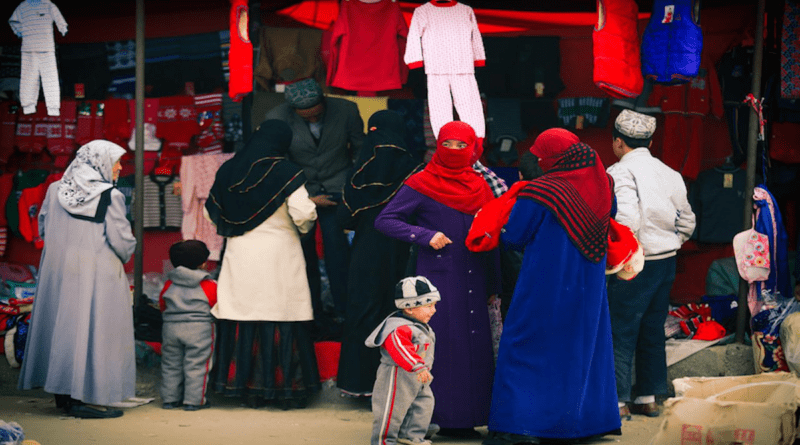
Ideological Extremism and the Uyghur Crackdown
In Xinjiang, the CCP has pursued a campaign of mass internment, forced labor, surveillance, and restrictions on religious and cultural practice targeting Uyghurs and other Turkic Muslim minorities.
Several Western governments and parliaments, along with human rights organizations, have characterized these policies as genocide or crimes against humanity, citing mass detentions, forced sterilizations, and the systematic erasure of Uyghur language, religion, and cultural identity. Beijing rejects this characterization, describing the camps as vocational training centers aimed at counterterrorism and poverty alleviation.
Independent of how the policy is labeled, the documented effects — mass detention, separation of families, and the dismantling of Uyghur cultural and religious life — are treated by researchers as a direct extension of the CCP’s founding insistence on total ideological control.
Transnational Terror: Silencing Diaspora Families
The party’s reach does not stop at China’s borders. Uyghur activists abroad, including members of the World Uyghur Congress, have been targeted with surveillance malware linked to Chinese state actors.
Reporting from the International Consortium of Investigative Journalists and Freedom House documents cases in which Uyghurs overseas were coerced into silence through threats against relatives still living in Xinjiang — a tactic researchers’ term “coercion by proxy.” One widely cited case involved a Uyghur woman in France who was lured back to China, detained, and pressured into denouncing her own daughter’s activism abroad before her release.
In February 2025, the deportation of 40 Uyghur men back to China by a third country was cited by Freedom House as cementing China’s status as the world’s leading perpetrator of transnational repression.
Purges and Fear Remain the Core Tool
From internal party purges in the 1930s to the camps in Xinjiang to threats against diaspora families today, the throughline researchers and former officials describe is consistent: the CCP treats ideological deviation — real or perceived — as an existential threat, to be met with detention, surveillance, or coercion rather than tolerance.
A century after its founding, fear remains, according to the assessment of human rights monitors and government bodies tracking these patterns, a central instrument of CCP control both inside China and across its global diaspora.